𝗧𝗵𝗲 𝗘𝗰𝗼𝗻𝗼𝗺𝗶𝗰 𝗜𝗺𝗽𝗮𝗰𝘁 𝗼𝗳 𝗡𝗼𝗻𝗽𝗿𝗼𝗳𝗶𝘁𝘀 𝗶𝗻 𝗡𝗶𝗴𝗲𝗿𝗶𝗮

The money doesn’t stop moving when it enters a nonprofit. It moves from the organisation into communities, businesses, households and the wider economy.
‎
‎Think about it: salaries are paid, goods and services are purchased, consultants are engaged, training programmes are delivered, logistics are covered, and local vendors get business. Every activity triggers an economic transaction, creating a chain of spending that extends far beyond the organisation itself.
‎
‎Through our recent report, 𝗧𝗵𝗲 𝗘𝗰𝗼𝗻𝗼𝗺𝗶𝗰 𝗜𝗺𝗽𝗮𝗰𝘁 𝗼𝗳 𝗡𝗼𝗻𝗽𝗿𝗼𝗳𝗶𝘁𝘀 𝗶𝗻 𝗡𝗶𝗴𝗲𝗿𝗶𝗮, we have a closer look at this often-overlooked dimension of the sector, examining how nonprofit operations create chain of economic activity, supporting livelihoods and contributing to the wider economy, creating value at every stop.
‎Nonprofit spending doesn’t end when a payment is made. It sets other economic activities in motion.

‎.
‎You may just want to click our – 𝗧𝗵𝗲 𝗘𝗰𝗼𝗻𝗼𝗺𝗶𝗰 𝗜𝗺𝗽𝗮𝗰𝘁 𝗼𝗳 𝗡𝗼𝗻𝗽𝗿𝗼𝗳𝗶𝘁𝘀 𝗶𝗻 𝗡𝗶𝗴𝗲𝗿𝗶𝗮 report! 💪
‎And that’s because the numbers are definitely telling a report worth reading.
‎Click in. Catch the story. And discover what the report reveals about the sector’s economic footprint
‎https://nnngo.org/the-economic-impact-of-nonprofits-in-nigeria/
‎
‎
‎.
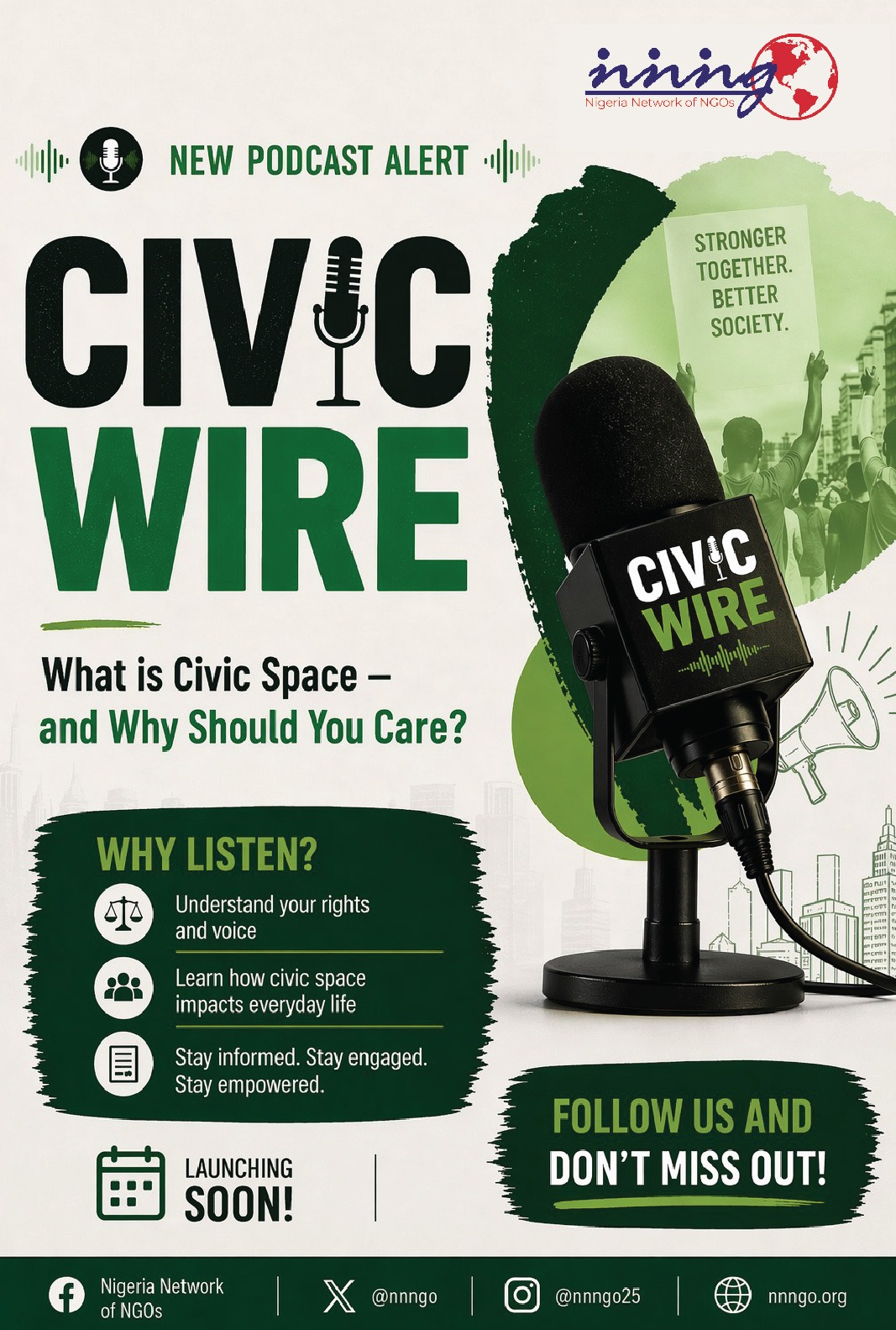
‎This is 𝗖𝗶𝘃𝗶𝗰 𝗪𝗶𝗿𝗲… Creating an enabling environment… Protecting the Civic Space
‎Learn more at: www.nnngo.org
‎
‎
‎
‎
‎Cc: @Network for Empowered Aid Response
West Africa Civil Society Institute (WACSI)
‎@TY Danjuma Foundation
Heinrich Böll Foundation – Abuja Office
‎@African Philanthropy Forum
Forus international
‎@Action for Sustainable Development
‎@USAID
‎@PALLADIUM
AFD – Agence Française de Développement
‎@Global Call To Action Against Poverty
‎@Small Media
‎@Global Partners Digital
‎@Techsoup
‎@EU SEE
‎@Nigeria Strengthening Civic Advocacy and Local Engagement
‎@Open Government Partnership
‎@Ford Foundation
‎@MacArthur Foundation
‎@CIVICUS
‎
‎
‎
‎#CallToAction
‎#CivicWire
‎#CreatingAnEnablingEnvironment
‎#ProtectingTheCivicSpace
‎#ExpressionAssociationAssembly
‎#WorldHumanitarianDay2026
‎#LeavingNoOneBehind
‎#SustainableDevelopmentGoals
‎#GlobalGoals
‎

𝗧𝗵𝗲 𝗘𝗰𝗼𝗻𝗼𝗺𝗶𝗰 𝗜𝗺𝗽𝗮𝗰𝘁 𝗼𝗳 𝗡𝗼𝗻𝗽𝗿𝗼𝗳𝗶𝘁𝘀 𝗶𝗻 𝗡𝗶𝗴𝗲𝗿𝗶𝗮

Last week, we released 𝗧𝗵𝗲 𝗘𝗰𝗼𝗻𝗼𝗺𝗶𝗰 𝗜𝗺𝗽𝗮𝗰𝘁 𝗼𝗳 𝗡𝗼𝗻𝗽𝗿𝗼𝗳𝗶𝘁𝘀 𝗶𝗻 𝗡𝗶𝗴𝗲𝗿𝗶𝗮 – a report examining the sector’s contribution beyond the programmes, campaigns, and community interventions it delivers.
The report estimates that the sector supports between 3,100 and 6,900 full-time-equivalent paid posts, with a central estimate of about 4,400; while our modest model report estimates about 4.9 million volunteer hours each year. That is equivalent to roughly 2,700 full-time posts.
‎
‎From employment and volunteer contributions to the people and skills that keep organisations running, our report gave a closer look at the economic value of Nigeria’s nonprofit sector.
‎
‎In this edition of 𝗖𝗶𝘃𝗶𝗰 𝗪𝗶𝗿𝗲, we further gave a wider view of the people behind the programmes, the workforce driving community impact, and the often-overlooked economic contributions of the Third sector in Nigeria.
‎
‎The impact of nonprofits goes beyond the lives they change, it extends to the livelihoods they support, the skills they build, the work they create, and the value they contribute to Nigeria’s economy.
‎
‎You may just want to click it! 💪
‎And that’s because the numbers are definitely telling a report worth reading.
‎Click in. Catch the story. And discover what the report reveals about the sector’s economic footprint
‎https://nnngo.org/the-economic-impact-of-nonprofits-in-nigeria/

‎
‎.
‎This is 𝗖𝗶𝘃𝗶𝗰 𝗪𝗶𝗿𝗲… Creating an enabling environment… Protecting the Civic Space.

FG introduced the Nigeria Data Protection Act 2023.‎

How many times have you entered your phone number online, filled a form, registered for an event, or shared personal details without thinking twice?
‎
‎Now imagine that information getting into the wrong hands.
‎
‎That is exactly why the FG introduced the Nigeria Data Protection Act 2023.
‎
‎The law provides a framework for how personal data should be collected, processed, stored, and protected, while giving individuals rights over their personal information.
‎
‎For civil society organisations, this responsibility is particularly important. NGOs routinely collect sensitive information from beneficiaries, staff, volunteers, donors, and communities. A misplaced file, unsecured database, or careless disclosure can expose people to privacy risks and undermine public trust.
‎
‎Data protection, therefore, is not just about compliance. It is about trust, accountability, and responsibility.
‎
‎This week Civic Wire explores why protecting personal information must become part of how responsible organisations operate.
‎
‎.
‎This is 𝗖𝗶𝘃𝗶𝗰 𝗪𝗶𝗿𝗲… Creating an enabling environment… Protecting the Civic Space

Can you challenge the government without becoming its political enemy?

‎Can you challenge the government without becoming its political enemy?
‎
‎Can a civil society organisation demand better healthcare, electoral reform, or gender justice without being accused of supporting a political party?
‎
‎The answer begins with understanding the difference between holding power accountable and campaigning for that same power.
‎
‎Civil Society Organisations have a legitimate role in questioning policies, demanding better public services, documenting rights violations, advocating for reforms, and amplifying citizens’ concerns. Criticising a government policy does not automatically make an organisation partisan.
‎
‎And as Nigeria moves towards the 2027 General Elections, the distinction becomes increasingly important.
‎It is therefore important to ensure that Nonprofit’s actions, resources, platforms, and public messaging remain consistent with its stated mission and nonpartisan position.
‎
‎For Civic Wire, this raises an important thought for Nigeria’s civil society sector: How CSOs can remain bold enough to challenge power while independent enough to be trusted by the public.
‎
‎Accountability should not depend on which party is in power. A credible civil society organisation must be willing to ask germane questions, regardless of who sits in the office.
‎.
‎
‎This is 𝗖𝗶𝘃𝗶𝗰 𝗪𝗶𝗿𝗲… Creating an enabling environment… Protecting the Civic Space
‎
‎Learn more at: www.nnngo.org
‎
‎𝗗𝗶𝘀𝗰𝗹𝗮𝗶𝗺𝗲𝗿: 𝗔𝗹𝗹 𝗻𝗮𝗺𝗲𝘀 𝗮𝗻𝗱 𝗰𝗵𝗮𝗿𝗮𝗰𝘁𝗲𝗿𝘀 𝗮𝗻𝗱 𝗹𝗼𝗰𝗮𝘁𝗶𝗼𝗻𝘀 𝘂𝘀𝗲𝗱 𝗶𝗻 𝘁𝗵𝗶𝘀 𝘃𝗶𝗱𝗲𝗼 𝗮𝗿𝗲 𝗳𝗶𝗰𝘁𝗶𝗼𝗻𝗮𝗹 𝗮𝗻𝗱 𝗳𝗼𝗿 𝗶𝗹𝗹𝘂𝘀𝘁𝗿𝗮𝘁𝗶𝘃𝗲 𝗽𝘂𝗿𝗽𝗼𝘀𝗲𝘀 𝗼𝗻𝗹𝘆.
‎
‎
‎Cc: @Network for Empowered Aid Response
‎West Africa Civil Society Institute (WACSI)
‎@TY Danjuma Foundation
‎Heinrich Böll Foundation – Abuja Office
‎@African Philanthropy Forum
‎Forus international
‎@Action for Sustainable Development
‎@USAID
‎@PALLADIUM
‎AFD – Agence Française de Développement
‎@Global Call To Action Against Poverty
‎@Small Media
‎@Global Partners Digital
‎@Techsoup
‎@EU SEE
‎@Nigeria Strengthening Civic Advocacy and Local Engagement
‎@Open Government Partnership
‎@Ford Foundation
‎@MacArthur Foundation
‎@CIVICUS
‎
‎
‎
‎#CallToAction
‎#CivicWire
‎#CreatingAnEnablingEnvironment
‎#ProtectingTheCivicSpace
‎#ExpressionAssociationAssembly
‎#WorldHumanitarianDay2026
‎#LeavingNoOneBehind
‎#SustainableDevelopmentGoals
‎#GlobalGoals

‎𝗘𝗹𝗲𝗰𝘁𝗶𝗼𝗻 𝗪𝗮𝘁𝗰𝗵 𝗼𝗿 𝗣𝗼𝗹𝗶𝘁𝗶𝗰𝗮𝗹 𝗣𝗹𝗮𝘆𝗲𝗿? 𝗧𝗵𝗲 𝗥𝗼𝗹𝗲 𝗼𝗳 𝗖𝗦𝗢𝘀 𝗶𝗻 𝗡𝗶𝗴𝗲𝗿𝗶𝗮’𝘀 𝟮𝟬𝟮𝟳 𝗘𝗹𝗲𝗰𝘁𝗶𝗼𝗻𝘀

‎Can a civil society organisation watch an election without becoming part of the political contest?
‎
‎Can you educate voters, monitor polling units, and challenge electoral irregularities without telling people who to vote for?
‎
‎And when does election advocacy quietly become political campaigning?
‎
‎As Nigeria moves towards the 2027 General Elections, these questions are becoming increasingly important for civil society organisations working to strengthen democracy, promote accountability, and protect citizens’ rights.
‎
‎From voter education and election observation to public interest advocacy and electoral reform, CSOs play a significant role in helping citizens understand the electoral process and demand accountability from institutions.
‎
‎But the line between civic engagement and partisan political activity requires careful attention.
‎
‎An organisation can educate voters about their rights without endorsing a candidate. It can document electoral irregularities without directing citizens towards a particular political party. It can advocate for electoral reforms without becoming a campaign platform.
‎
‎The challenge lies in maintaining the independence, transparency, and credibility that make civic action meaningful.
‎
‎As Civic Wire explores the role of civil society in Nigeria’s 2027 elections, we examine the boundaries between election observation, voter education, advocacy, and political campaigning and what CSOs must consider as they work to protect democratic participation.
‎
‎A civil society organisation can engage deeply in democracy without becoming a political player. The question is: How does it protect that independence when the political stakes are high?
‎.
‎
‎This is 𝗖𝗶𝘃𝗶𝗰 𝗪𝗶𝗿𝗲… Creating an enabling environment… Protecting the Civic Space
‎
‎Learn more at: www.nnngo.org
‎
‎𝗗𝗶𝘀𝗰𝗹𝗮𝗶𝗺𝗲𝗿: 𝗔𝗹𝗹 𝗻𝗮𝗺𝗲𝘀 𝗮𝗻𝗱 𝗰𝗵𝗮𝗿𝗮𝗰𝘁𝗲𝗿𝘀 𝗮𝗻𝗱 𝗹𝗼𝗰𝗮𝘁𝗶𝗼𝗻𝘀 𝘂𝘀𝗲𝗱 𝗶𝗻 𝘁𝗵𝗶𝘀 𝘃𝗶𝗱𝗲𝗼 𝗮𝗿𝗲 𝗳𝗶𝗰𝘁𝗶𝗼𝗻𝗮𝗹 𝗮𝗻𝗱 𝗳𝗼𝗿 𝗶𝗹𝗹𝘂𝘀𝘁𝗿𝗮𝘁𝗶𝘃𝗲 𝗽𝘂𝗿𝗽𝗼𝘀𝗲𝘀 𝗼𝗻𝗹𝘆.
‎
‎
‎Cc: @Network for Empowered Aid Response
‎West Africa Civil Society Institute (WACSI)
‎@TY Danjuma Foundation
‎Heinrich Böll Foundation – Abuja Office
‎@African Philanthropy Forum
‎Forus international
‎@Action for Sustainable Development
‎@USAID
‎@PALLADIUM
‎AFD – Agence Française de Développement
‎@Global Call To Action Against Poverty
‎@Small Media
‎@Global Partners Digital
‎@Techsoup
‎@EU SEE
‎@Nigeria Strengthening Civic Advocacy and Local Engagement
‎@Open Government Partnership
‎@Ford Foundation
‎@MacArthur Foundation
‎@CIVICUS
‎
‎
‎
‎#CallToAction
‎#CivicWire
‎#CreatingAnEnablingEnvironment
‎#ProtectingTheCivicSpace
‎#ExpressionAssociationAssembly
‎#WorldHumanitarianDay2026
‎#LeavingNoOneBehind
‎#SustainableDevelopmentGoals
‎#GlobalGoals
‎

𝗖𝗮𝗻 𝗬𝗼𝘂𝗿 𝗡𝗚𝗢 𝗦𝘂𝗿𝘃𝗶𝘃𝗲 𝘁𝗵𝗲 𝟮𝟬𝟮𝟳 𝗘𝗹𝗲𝗰𝘁𝗶𝗼𝗻 𝗪𝗶𝘁𝗵𝗼𝘂𝘁 𝗟𝗼𝘀𝗶𝗻𝗴 𝗜𝘁𝘀 𝗜𝗻𝗱𝗲𝗽𝗲𝗻𝗱𝗲𝗻𝗰𝗲 -Ep 2?


‎‎As Nigeria moves towards the 2027 General Elections, civil society organisations will operate in an increasingly political environment. For CSOs working on elections, governance, civic participation, and accountability, maintaining public trust will require more than avoiding explicit endorsements. It will require clear policies, consistent decisions, proper oversight, and a strong understanding of what constitutes partisan activity.
‎
‎The responsibility does not rest with staff alone. Boards and trustees play a major role in setting boundaries, managing conflicts of interest, and ensuring that the organisation’s resources, platforms, personnel, and influence are not used to advance partisan interests.
‎
‎For Civic Wire, the question is not just whether an NGO has endorsed a candidate. It is whether its everyday decisions could create the perception or reality of political favouritism.
‎Neutrality is not only about what an organisation says. It is also about what it does.
‎.
‎
‎This is 𝗖𝗶𝘃𝗶𝗰 𝗪𝗶𝗿𝗲… Creating an enabling environment… Protecting the Civic Space
‎
‎Learn more at: www.nnngo.org
‎
‎𝗗𝗶𝘀𝗰𝗹𝗮𝗶𝗺𝗲𝗿: 𝗔𝗹𝗹 𝗻𝗮𝗺𝗲𝘀 𝗮𝗻𝗱 𝗰𝗵𝗮𝗿𝗮𝗰𝘁𝗲𝗿𝘀 𝗮𝗻𝗱 𝗹𝗼𝗰𝗮𝘁𝗶𝗼𝗻𝘀 𝘂𝘀𝗲𝗱 𝗶𝗻 𝘁𝗵𝗶𝘀 𝘃𝗶𝗱𝗲𝗼 𝗮𝗿𝗲 𝗳𝗶𝗰𝘁𝗶𝗼𝗻𝗮𝗹 𝗮𝗻𝗱 𝗳𝗼𝗿 𝗶𝗹𝗹𝘂𝘀𝘁𝗿𝗮𝘁𝗶𝘃𝗲 𝗽𝘂𝗿𝗽𝗼𝘀𝗲𝘀 𝗼𝗻𝗹𝘆.
‎
‎
‎Cc: @Network for Empowered Aid Response
‎West Africa Civil Society Institute (WACSI)
‎@TY Danjuma Foundation
‎Heinrich Böll Foundation – Abuja Office
‎@African Philanthropy Forum
‎Forus international
‎@Action for Sustainable Development
‎@USAID
‎@PALLADIUM
‎AFD – Agence Française de Développement
‎@Global Call To Action Against Poverty
‎@Small Media
‎@Global Partners Digital
‎@Techsoup
‎@EU SEE
‎@Nigeria Strengthening Civic Advocacy and Local Engagement
‎@Open Government Partnership
‎@Ford Foundation
‎@MacArthur Foundation
‎@CIVICUS
‎
‎
‎
‎#CallToAction
‎#CivicWire
‎#CreatingAnEnablingEnvironment
‎#ProtectingTheCivicSpace
‎#ExpressionAssociationAssembly
‎#WorldHumanitarianDay2026
‎#LeavingNoOneBehind
‎#SustainableDevelopmentGoals
‎#GlobalGoals

𝗖𝗮𝗻 𝗬𝗼𝘂𝗿 𝗡𝗚𝗢 𝗦𝘂𝗿𝘃𝗶𝘃𝗲 𝘁𝗵𝗲 𝟮𝟬𝟮𝟳 𝗘𝗹𝗲𝗰𝘁𝗶𝗼𝗻 𝗪𝗶𝘁𝗵𝗼𝘂𝘁 𝗟𝗼𝘀𝗶𝗻𝗴 𝗜𝘁𝘀 𝗜𝗻𝗱𝗲𝗽𝗲𝗻𝗱𝗲𝗻𝗰𝗲?

‎What happens when political money enters an NGO’s account?
‎Could one transaction put an organisation’s reputation at risk?
‎Could it expose trustees to questions about how the organisation is being run? And if the organisation cannot explain where the money came from, where it went, and why it was spent, who takes responsibility?
‎
‎As Nigeria moves towards the 2027 General Elections, these questions are becoming increasingly important for civil society organisations. The election period will test not only the commitment of CSOs to nonpartisanship, but also the strength of their governance systems, financial controls, and institutional independence.
‎
‎For organisations working on democracy, governance, human rights, voter education, and civic participation, the boundaries can become particularly sensitive. A single questionable transaction, undisclosed political connection, or poorly documented expenditure could raise concerns about an organisation’s independence and credibility.
‎
‎This is where effective governance is put to the test.
‎
‎Boards and trustees have a responsibility to provide oversight, ensure appropriate financial controls, manage conflicts of interest, and protect the organisation from activities that could compromise its mission or public trust. Organisations must also be able to demonstrate that the resources entrusted to them are properly sourced, managed, documented, and used for legitimate purposes.
‎
‎As Civic Wire looks ahead to the 2027 elections, we ask: Are Nigeria’s civil society organisations prepared for the governance test that comes with an election year?
‎As political activity intensifies, the credibility of civil society will depend not only on what organisations say, but on how transparently, independently, and responsibly they operate.
‎
‎.
‎
‎This is 𝗖𝗶𝘃𝗶𝗰 𝗪𝗶𝗿𝗲… Creating an enabling environment… Protecting the Civic Space

World Humanitarian Day on 19 August

‎As the world marks World Humanitarian Day on 19 August, we honour the humanitarian workers, volunteers, and civil society organisations who put themselves at risk to save lives and restore hope in communities affected by conflict, disasters, and displacement.
‎
‎According to the United Nations High Commissioner for Refugees (UNHCR), Nigeria had 3,711,314 internally displaced persons as of July 1, 2026. While the Food and Agriculture Organization of the United Nations (FAO) projects that 34.7 million Nigerians could face high levels of acute food insecurity in 2026 😭🙆‍♀️
‎
‎In many emergencies, civil society organisations are among the first responders, reaching affected communities with food, clean water, shelter, healthcare, child protection, and psychosocial support, often before large-scale relief operations are fully established.
‎
‎But humanitarian response is not only about delivering aid, it is about restoring dignity, protecting rights, listening to communities, and ensuring that people affected by crisis are not left behind.
‎
‎Behind every intervention are people who choose to show up, often working in difficult and dangerous conditions, travelling to places others cannot reach, and continuing to serve long after the headlines have moved on.
‎
‎As Civic Wire marks World Humanitarian Day 2026, we spotlight the people and organisations at the heart of humanitarian action and reflect on what it takes to build a response system that is not only faster, but more local, inclusive, accountable, and centred on the people it serves.
‎.
‎
‎This is 𝗖𝗶𝘃𝗶𝗰 𝗪𝗶𝗿𝗲… Creating an enabling environment… Protecting the Civic Space
‎
‎More at: www.nnngo.org
‎
‎Image/Video Credit: FRAD, Dicta Care Initiative, Helpgate Foundation, Dako Foundation, Teenagers Care for Sustainable Development.  The Innercity Mission, Goke Dele Foundation, member organizations of the Nigeria Network of NGOs
‎
‎
‎Cc: @Network for Empowered Aid Response
‎West Africa Civil Society Institute (WACSI) 
‎@TY Danjuma Foundation
‎Heinrich Böll Foundation – Abuja Office
‎@African Philanthropy Forum
‎Forus international
‎@Action for Sustainable Development
‎@USAID
‎@PALLADIUM
‎AFD – Agence Française de Développement
‎@Global Call To Action Against Poverty
‎@Small Media
‎@Global Partners Digital
‎@Techsoup
‎@EU SEE
‎@Nigeria Strengthening Civic Advocacy and Local Engagement
‎@Open Government Partnership
‎@Ford Foundation
‎@MacArthur Foundation
‎@CIVICUS
‎
‎
‎
‎#CallToAction
‎#CivicWire
‎#CreatingAnEnablingEnvironment
‎#ProtectingTheCivicSpace
‎#ExpressionAssociationAssembly
‎#WorldHumanitarianDay2026
‎#LeavingNoOneBehind
‎#SustainableDevelopmentGoals
‎#GlobalGoals

Young people are often prepared to lead

Young people are often invited to conferences, summits, and leadership forums, but are they being prepared to lead or simply encouraged to participate?
‎
‎According to the National Population Commission, supported by the United Nations Population Fund (UNFPA), more than 70 percent of Nigeria’s population is under the age of 30. Yet many young people remain excluded from leadership and public decision-making.
‎
‎While the Government has introduced programmes such as the Nigerian Youth Investment Fund (NYIF) and youth digital skills initiatives to promote entrepreneurship, skills development, and leadership, the question remains: Are these opportunities translating into meaningful participation and influence?
‎
‎Leadership is more than attending a forum or completing a training. It is about having the confidence, skills, platforms, and opportunities to influence decisions, solve community problems, and hold institutions accountable.
‎
‎As Civic Wire marks International Youth Day 2026, we look beyond participation to ask what it truly takes to move young people from the audience to the decision-making table equipped to strengthen Nigeria’s democracy and shape a more inclusive future that advances the Sustainable Development Goals.
‎.
‎
‎This is 𝗖𝗶𝘃𝗶𝗰 𝗪𝗶𝗿𝗲… Creating an enabling environment… Protecting the Civic Space
‎
‎More at: www.nnngo.org
‎
‎Image Credit: Kidsnteens, one life initiative, Nigeria Youth SDGs
‎Empowered Sapiens Mulier Initiative
‎Youth Alive Foundation
‎Center for Peace Advocacy, member organisations of the Nigeria Network of NGOs
‎
‎Cc: @Network for Empowered Aid Response
‎West Africa Civil Society Institute (WACSI) 
‎@TY Danjuma Foundation
‎Heinrich Böll Foundation – Abuja Office
‎@African Philanthropy Forum
‎Forus international
‎@Action for Sustainable Development
‎@USAID
‎@PALLADIUM
‎AFD – Agence Française de Développement
‎@Global Call To Action Against Poverty
‎@Small Media
‎@Global Partners Digital
‎@Techsoup
‎@EU SEE
‎@Nigeria Strengthening Civic Advocacy and Local Engagement
‎@Open Government Partnership
‎@Ford Foundation
‎@MacArthur Foundation
‎@CIVICUS
‎
‎
‎
‎#CallToAction
‎#CivicWire
‎#CreatingAnEnablingEnvironment
‎#ProtectingTheCivicSpace
‎#ExpressionAssociationAssembly
‎#LeavingNoOneBehind
‎#SustainableDevelopmentGoals
‎#GlobalGoals
‎

Good Governance

What causes a nonprofit organisation to lose public trust?
‎
‎Is it a lack of funding… or a lack of good governance?
‎
‎A recent assessment by the West Africa Civil Society Institute, in partnership with the Nigeria Network of NGOs, surveyed 693 civil society organisations and found that 76.3 percent had not conducted a formal programme evaluation in the previous two years, while 86 percent operated without a written fundraising plan. The findings point to governance and institutional gaps that can undermine accountability, transparency, and long-term sustainability.
‎
‎Strong governance is more than policies and procedures, it is the foundation of credibility. Donors, partners, and the communities organisations serve are more likely to place their trust in institutions that demonstrate transparency, strategic planning, sound financial management, and a commitment to learning and accountability.
‎
‎As funding becomes increasingly competitive, organisations cannot rely on good intentions alone. Building resilient institutions requires investing in governance systems that inspire confidence and ensure lasting impact.
‎
‎In this edition of Civic Wire, we examine the practical steps civil society organisations can take to strengthen institutional resilience, earn public trust, and maximise their impact.
‎.
‎
‎This is 𝗖𝗶𝘃𝗶𝗰 𝗪𝗶𝗿𝗲… Creating an enabling environment… Protecting the Civic Space
‎
‎More at: www.nnngo.org
‎
‎
‎
‎Cc: @Network for Empowered Aid Response
‎West Africa Civil Society Institute (WACSI) 
‎@TY Danjuma Foundation
‎Heinrich Böll Foundation – Abuja Office
‎@African Philanthropy Forum
‎Forus international
‎@Action for Sustainable Development
‎@USAID
‎@PALLADIUM
‎AFD – Agence Française de Développement
‎@Global Call To Action Against Poverty
‎@Small Media
‎@Global Partners Digital
‎@Techsoup
‎@EU SEE
‎@Nigeria Strengthening Civic Advocacy and Local Engagement
‎@Open Government Partnership
‎@Ford Foundation
‎@MacArthur Foundation
‎@CIVICUS
‎
‎
‎
‎#CallToAction
‎#CivicWire
‎#CreatingAnEnablingEnvironment
‎#ProtectingTheCivicSpace
‎#ExpressionAssociationAssembly
‎#LeavingNoOneBehind
‎#SustainableDevelopmentGoals
‎#GlobalGoals

The Nigeria Network of NGOs (NNNGO) is the first generic membership body for civil society organisations in Nigeria that facilitates effective advocacy on issues of poverty and other developmental issues. Established in 1992, NNNGO represents over 3495 

Do you have questions? Call or visit us.

+2349069460107

Plot 3 Sobanjo avenue, Idi-ishin Jericho Ibadan, Oyo, Nigeria.

15 Ramat Crescent, Ogudu GRA, Lagos, Nlgeria

nnngo@nnngo.org 

Newsletter

Get latest news & update

Connect With Us

© – Nigeria Network of NGO (NNNGO). All rights reserved.

Follow us on social media